

There’s a particular kind of magic that happens when candlelight flickers across a beautifully set table, wine is poured, and the smell of slow-cooked Italian food fills the room. But getting there? That part can feel overwhelming. Between planning the menu, arranging the decor, and keeping track of timing, it’s easy to spend the whole evening in the kitchen instead of at the table. This guide gives you a repeatable, stress-free workflow for hosting an Italian-inspired candlelit dinner that feels effortless, warm, and genuinely unforgettable. Think of it as your personal playbook for la dolce vita at home.
Table of Contents
- Define your vision: purpose, vibe, and guest list
- Gather your essentials: menu, decor, and timing
- Step-by-step dinner workflow: from setup to final toast
- Enhancing ambiance and guest experience
- The art of Italian hosting: why workflow matters more than perfection
- Elevate your Italian-inspired dinner with authentic touches
- Frequently asked questions
Key Takeaways
| Point | Details |
|---|---|
| Start with purpose | Setting a clear intention and vibe leads to a more cohesive and memorable candlelit dinner. |
| Prep essentials in advance | Choosing make-ahead Italian dishes and assembling decor ahead of time ensures a relaxed evening. |
| Follow a clear workflow | A step-by-step evening structure lets you host gracefully without missing any details. |
| Ambiance matters | Lighting, music, and guest prompts create genuine connection and lasting impressions. |
Define your vision: purpose, vibe, and guest list
Before you buy a single candle or plan a single dish, get clear on why you’re hosting. The purpose of your dinner shapes every decision that follows. Are you celebrating a milestone? Reconnecting with friends you haven’t seen in months? Or simply creating a slow, indulgent evening for the people you love most? Each intention calls for a slightly different energy, and naming it upfront makes the rest of the planning feel natural rather than scattered.
Once you have your purpose, choose your vibe. Italian-inspired gatherings tend to fall into three beautiful categories:
- Rustic and warm: Think terracotta tones, mismatched linen napkins, chunky candles, and hearty pasta dishes served family-style.
- Elegant and intimate: White tablecloths, tapered candles, plated courses, and a carefully curated wine selection.
- Playful and festive: Bold colors, antipasto boards, loud laughter, and dessert that comes with a story.
None of these is better than the others. The right vibe is simply the one that matches your mood and your guests.
Speaking of guests, keep the list between four and eight people. This is the sweet spot for genuine conversation and connection. Larger groups tend to splinter into side conversations, and smaller groups can feel pressured. Relaxing environments enhance connections by up to 30%, which means your intentional setup is doing real work before the food even arrives.
Pro Tip: Write one sentence that describes your ideal dinner before you start planning. Something like: “A warm, rustic evening for six close friends, celebrating nothing in particular.” That sentence becomes your filter for every decision.
Finally, don’t overlook music as part of your vision. A curated playlist set to low volume before guests arrive immediately signals that this is a considered, intentional evening. Italian jazz, acoustic folk, or even classic Neapolitan songs all set a tone that no amount of decor can replicate on its own.
Gather your essentials: menu, decor, and timing
Once your vision is set, it’s time to ensure you have every ingredient and touchpoint for smooth, beautiful execution. Think of this stage as building your mise en place, not just for the kitchen, but for the entire evening.
Start with your menu. Make-ahead Italian dishes like slow-cooked beef polenta, nduja pasta, and roasted vegetables are ideal because they free you from the stove during the actual gathering. Plan for three to five courses and consider family-style passing for a relaxed, communal feel. Pair with Calabrian wines for an authentic regional touch.
Here’s a quick workflow overview to keep everything organized:
| Workflow element | Key details |
|---|---|
| Menu components | Antipasto, pasta course, main, dessert, digestivo |
| Essential decor | Candles, linen napkins, glassware, fresh herbs or flowers |
| Timeline checkpoints | 5pm setup, 6pm cocktail hour, 6:15pm first course, 7:30pm dessert |
| Music | Curated Italian playlist, low volume, started before guests arrive |
| Serveware | Serving platters, pasta bowls, wine carafes |
For decor, a few key pieces go a long way. Candles are non-negotiable. A rigatoni candle decor piece on the table adds a playful, sculptural element that sparks conversation before anyone sits down. Layer in a Dolce Far Niente candle for scent, because smell is the fastest way to create atmosphere. Add linen napkins, simple glassware, and a few sprigs of rosemary or olive branches for an effortlessly Italian look.
Pro Tip: Use a slow cooker for your main dish. Set it before guests arrive and forget about it. You’ll be present, relaxed, and fully in the moment when it matters most.
Step-by-step dinner workflow: from setup to final toast
With your essentials prepared, follow this structured timeline and method for hosting with ease. A clear sequence keeps you out of your head and in the room with your guests.
- Setup (4:30pm to 5:30pm): Arrange the table, light candles, start the playlist, and set out glassware. Place a Fusilli candle as a sculptural centerpiece and position a ravioli candle centerpiece at the far end for visual balance.
- Cocktail hour (5:30pm to 6:15pm): Serve aperitivo with light bites. This is your buffer zone. It gives late arrivals time to settle and gives you time to do any final kitchen checks.
- First course (6:15pm): Bring out antipasto or a light pasta. Keep portions small. The goal is to build anticipation, not fill people up.
- Main course (6:45pm): Serve your make-ahead main. Family-style works beautifully here.
- Dessert and coffee (7:30pm): Something sweet, something warm. This is when conversation deepens.
- Closing toast (8:00pm or later): Raise a glass, share a word of gratitude, and let the evening close naturally.
When it comes to service style, the choice between plated and family-style matters. Here’s a quick comparison:
| Factor | Plated service | Family-style service |
|---|---|---|
| Prep intensity | High (requires precise timing) | Lower (dishes go straight to table) |
| Guest experience | Formal, elegant | Warm, communal |
| Best for | Intimate dinners of 4-6 | Larger groups of 6-8 |
| Server needs | 1 server per 10-15 guests | Host can manage alone |
“Background music improves the overall dinner guest experience by up to 20%. Don’t underestimate the playlist.”
If you’re hosting solo, divide the tasks before the evening starts. One person handles food, the other handles drinks and guest flow. Prep divides like this are one of the most underrated hosting shortcuts. Use timers on your phone for each course transition so you’re never caught off guard.
Enhancing ambiance and guest experience
Now shift focus to the finishing touches that transform a dinner into a magical Italian gathering. Ambiance isn’t decoration. It’s the invisible architecture of the evening, and it shapes how people feel without them ever knowing why.
Here’s what to focus on:
- Candle placement: Group candles at varying heights across the table. A pasta candles centerpiece arrangement creates visual depth and a warm, flickering glow that flatters everyone at the table.
- Light layering: Dim overhead lights completely if possible. Use candles, a small lamp in the corner, and perhaps a string of warm lights nearby.
- Conversation starters: Place a small card at each setting with a question. “What’s the best meal you’ve ever had?” or “Where in Italy would you live if you could?” These prompts do more for connection than any centerpiece.
- Curated playlist: Rotate through Italian jazz, acoustic guitar, and classic Neapolitan folk. Keep it at a volume where people can talk without raising their voices.
- Textile layering: Mix linen napkins with a textured table runner. Add a gnocchi candle ambiance piece tucked beside a small vase for a layered, collected look.
Post-dinner connection prompts are one of the most powerful tools in a host’s kit, and almost no one uses them. After dessert, invite everyone to share one thing they’re grateful for, or one memory the evening brought up. It sounds simple. It lands deeply.
Pro Tip: End the evening with a small pour of Italian liqueur, limoncello, amaro, or grappa. This ritual signals a natural close and gives guests a moment to linger without the evening feeling like it’s dragging.
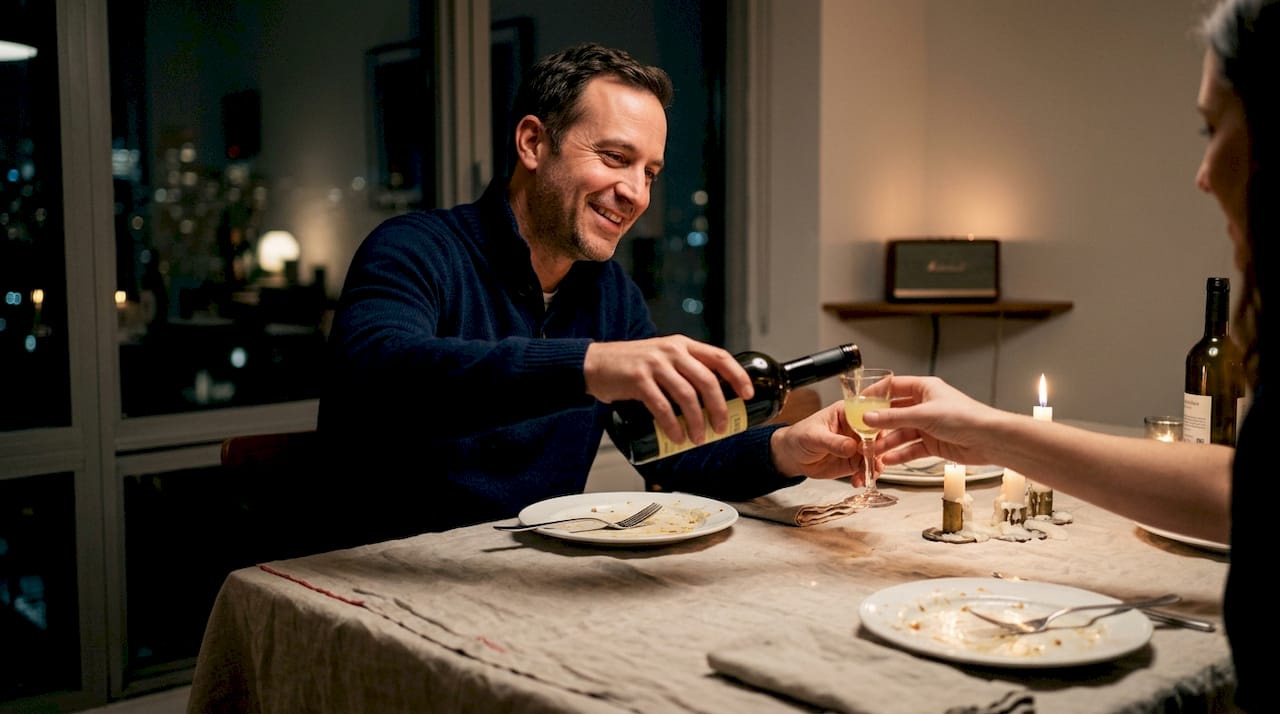
The art of Italian hosting: why workflow matters more than perfection
Here’s a perspective that might surprise you: the most memorable Italian-inspired dinners we’ve ever heard about weren’t the ones where everything went perfectly. They were the ones where the host was present.
When you’re chasing visual perfection, checking every plate angle, and anxious about the timing of each course, your guests feel it. Not consciously, but in the way the room feels slightly tense, slightly performative. Contrast that with a host who laughs when the pasta sticks, pours more wine without ceremony, and sits down at the table and actually stays there. That energy is contagious in the best way.
The workflow isn’t about control. It’s about freedom. When you’ve done the prep, made the plan, and set the table with intention, you’ve earned the right to let go. The workflow handles the logistics so you can handle the human part, which is the only part that actually matters.
Italian culture has always understood this. The table is not a stage. It’s a gathering place. Spilled wine, a dessert that didn’t set, a playlist that skipped to something unexpected, these things become the stories you tell later. Give yourself permission to be imperfect, and your guests will give themselves the same permission. That’s when the real magic happens.
Elevate your Italian-inspired dinner with authentic touches
Ready to add those magical Italian finishing touches? The right pieces make your workflow effortless and your table genuinely beautiful.
At Bella Serata, we believe the objects on your table should tell a story. Our kitchen and dining collection is filled with thoughtfully designed pieces that blend Italian aesthetics with everyday function. From glassware to linen, each item is chosen to make your hosting feel intentional without requiring extra effort. And if you want a centerpiece that sparks conversation the moment guests walk in, our pasta candle selection is exactly that. Sculptural, warm, and unmistakably Italian. Your next candlelit dinner deserves a table that feels as good as it looks.
Frequently asked questions
What’s the ideal timeline for a candlelit dinner workflow?
Plan for cocktail hour at 5:30pm, first course at 6:15pm, main around 6:45pm, and dessert or final toast at 7:30pm for a natural, unhurried pace.
How many entrée options should I serve to keep it manageable?
Two to three entrée options hit the sweet spot. Enough variety to feel generous, without overwhelming your prep or your guests.
Can I prepare Italian dishes ahead of time for a candlelit dinner?
Absolutely. Make-ahead dishes like slow-cooked polenta or roasted vegetables let you be fully present with your guests instead of stuck in the kitchen.
Does music actually make a difference for the dinner atmosphere?
More than most people realize. Background music lifts the overall guest experience by up to 20%, so a curated playlist is one of the easiest upgrades you can make.
Any tips for making cleanup easier without sacrificing style?
Go family-style with your serving dishes. Family-style serving cuts down on individual plating time and naturally encourages the kind of warm, communal energy that defines Italian dining.